Impacts of Pesticides on Environment, Biodiversity & Public Health
The team's work focuses mainly on:
- Measuring exposures to pesticides,
- Deciphering the mechanisms of action of pesticides and their effects on living organisms,
- Assessing the risks of pesticides to the environment, biodiversity and health.
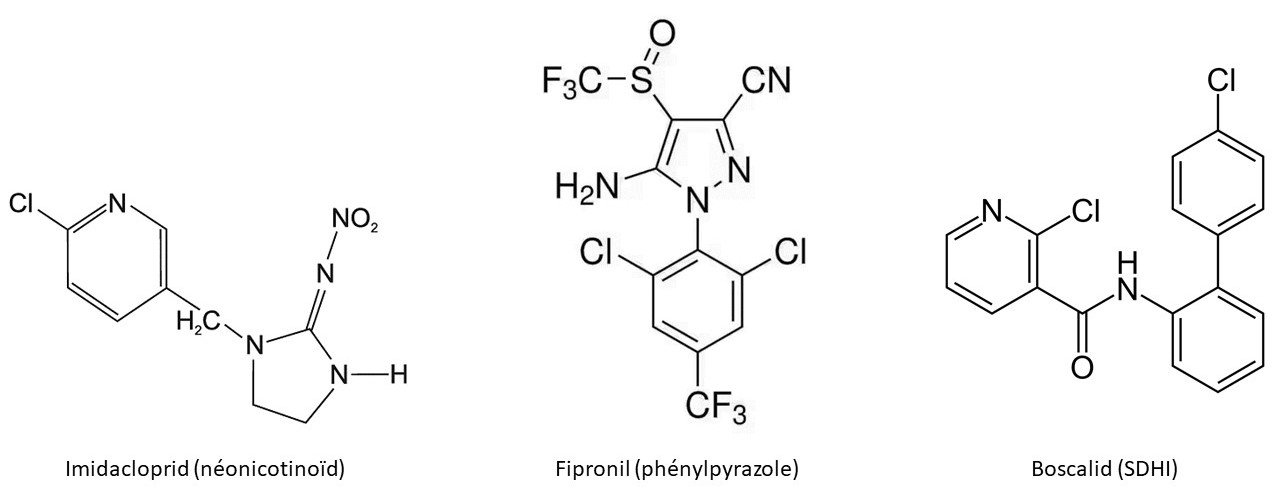
Three main classes of pesticides have been the subject of intensive study:
- neonicotinoid insecticides (neurotoxic)
- phenylpyrazole insecticides (neurotoxic)
- SDHI fungicides (mitotoxic and neurotoxic)
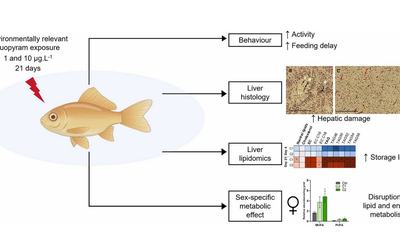
Jean-Marc Bonmatin co-auteur d’un article sur les altérations induites chez les poissons par des fongicides SDHI
Published on July 6, 2026
Publié dans le Journal of Hazardous Materials (impact factor 10.6), l’article décrit les effets du fluopyram (fongicide de type SDHI) chez les poissons d’eau douce de la famille des Carassins.
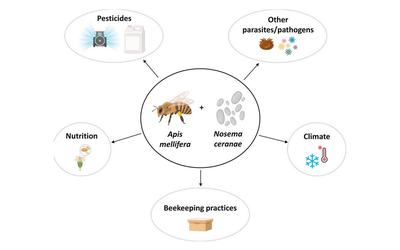
Jean-Marc bonmatin co-auteur d'un article de revue sur les facteurs de stress pour les populations d'abeilles
Published on July 1, 2026
Publié dans le Environmental Advances (impact factor 7.4), l’article de revue décrit les facteurs de stress responsables des dépopulations d'abeilles avec une vision centrée sur la prévalence des microsporidies de type Nosema dans le système digestif.
Jean-Marc Bonmatin invited to present by OPECST at the Senate on 15 January
Published on Jan. 15, 2026
Jean-Marc Bonmatin questioned in the Senate by the Parliamentary Office for the Evaluation of Scientific and Technological Choices (OPECST).
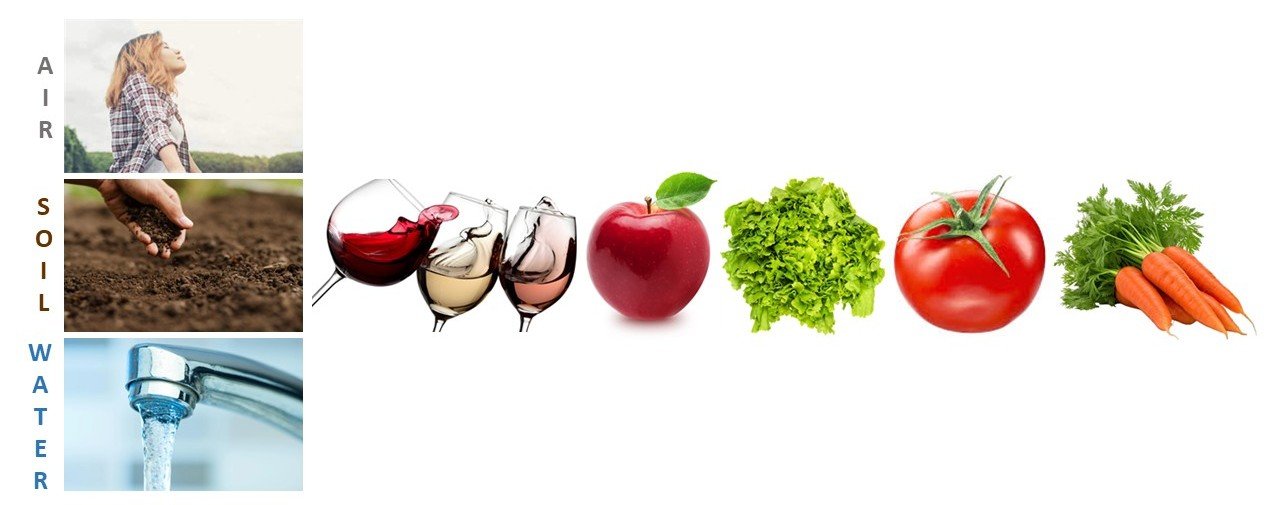
By developing new, highly sensitive analytical techniques (LC-MS-MS), Jean-Marc Bonmatin and his colleagues have demonstrated that these pesticides contaminate all environmental compartments (air, soil, water). These pesticides are also present in our food and drinks, which is the main route of exposure for human health. These studies are supported by the ANR (FR) and the FRM (FR).
For a holistic view of the issue surrounding these pesticides, Jean-Marc Bonmatin co-founded an international network of around sixty independent scientists (from 25 countries): the Task Force on Systemic Pesticides, of which he has been vice-president since 2010. In 2019, he also co-founded Holimitox, a national research network for the study of pesticides that are toxic to mitochondria.
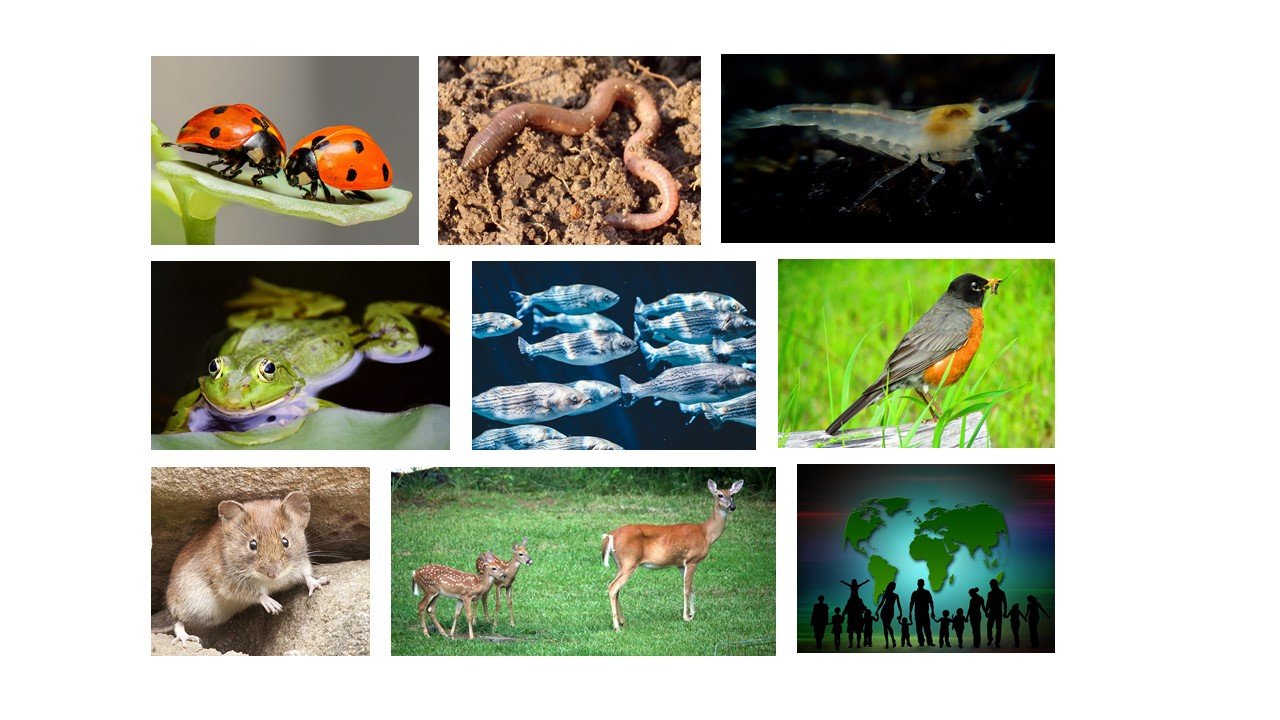
Research has shown that chronic exposure to low doses of these pesticides poses lethal risks to bees and pollinators, as well as deleterious sublethal effects on many terrestrial and aquatic invertebrates, vertebrates (fish, birds, etc.) and humans. These studies have been supported by the Triodos Foundation (NL).
Thanks to his multidisciplinary expertise, Jean-Marc Bonmatin has been appointed to several national expert committees (Scientific Council of ANSES 2020-2023 and ITSAP 2010-2020) and international committees (OECD 2006-2020, IUCN 2010-2020, IPBES 2014-2017).

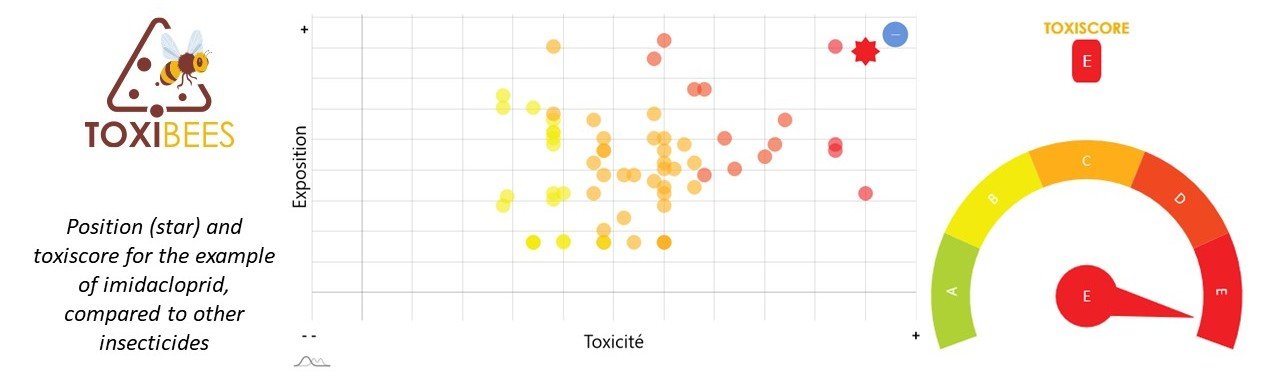
Jean-Marc Bonmatin is also co-author of the free software TOXIBEES (in French), designed primarily for farmers. This software allows users to determine the toxicity to bees and environmental behaviour of about 300 pesticide molecules which are registrated for the French market. The software provides a ‘toxiscore’ (from A to E) and alternative solutions with less impact, thanks to an interactive risk assessment graph (exposure & toxicity). These studies were supported by the national Ecophyto II+ plan via Bee Friendly (FR).
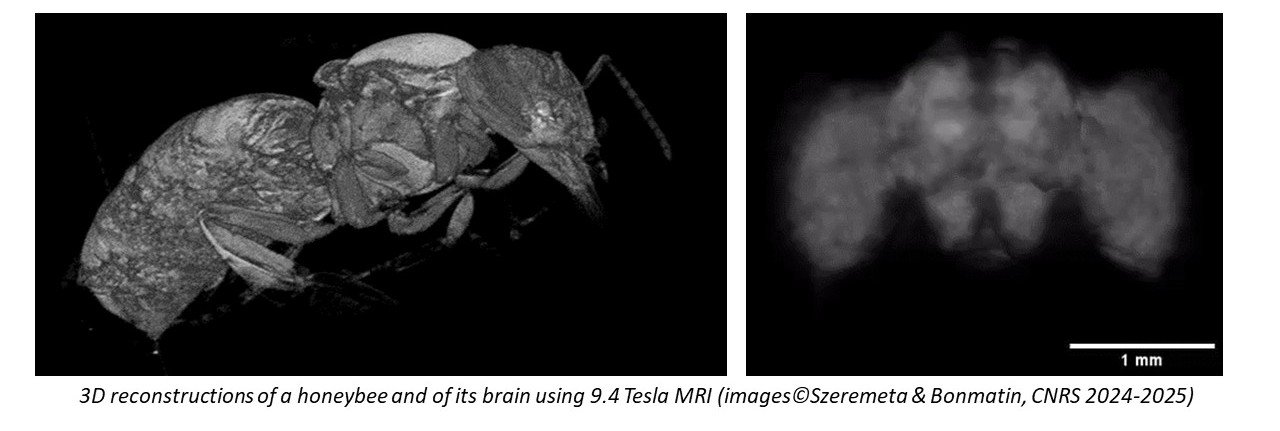
Jean-Marc Bonmatin continues his studies on the toxicity of pesticides on bees by developing magnetic resonance imaging (MRI) techniques in collaboration with Frédéric Szeremeta, a research engineer from the ‘Metal Complexes and MRI’ team at the laboratory. He recently presented his results at the Apimondia 2025 congress (Copenhagen, DK) and in the professional magazine Abeilles & Fleurs. These studies are supported by the Foundation Lune de Miel (FR).
Jean-Marc Bonmatin disseminates scientific and technical information from his research to the scientific community, professionals and various stakeholders (conferences for parliamentarians, NGOs, etc.). He also disseminates simplified information to the general public.
Scientific publications:
Other contributions:
- 08/12/2025: signatory of the "Lettre ouverte au gouvernement français, aux parlementaires nationaux et européens"
- 09/12/2025: signatory of the ‘Scientific Statement on Pesticides in the Omnibus’ addressed to the Eu. Commission
- 05/02/2026: member of the jury for the French Honey Competition at the CESE (Palais d'Iéna, Paris)
- 19/03/2026: public conference (Orléans, 45)
- 05/06/2026: public conference (Olivet, 45)